Families

LinkedIn
Facebook

Families at the center

Families are at the heart of our research. Our aim is to pioneer a future without Crohn’s disease impacting and improving the lives of generations to come. Working together with people living with Crohn's disease and their first-degree relatives (FDRs) - parents, siblings, children - is central to reaching our objectives and truly understanding the disease. Instead of speaking for, we are working with, thousands of people and patient organisations around Europe to amplify their voices, stories and participation in our clinical trials. No one can tell their story and journey better than those living it.

A daughter reflects on growing up alongside her mother’s Crohn’s diagnosis, from early fears to a powerful sense of normality and strength

"When my mom was first diagnosed, I remember it being in every conversation and every family gathering for four to five years. After that, and as I grew older, it was always in our minds but I personally had gotten used to it. I didn’t notice the daily struggles because it had become a part our lifestyle and we had taught ourselves to live together with the disease."

Show Q&A Daughter

A daughter shares her journey of helping her mother through Crohn’s disease

“I thought it might be useful to get involved in the process. I felt that sharing the best and worst moments of the clinical process would be a good way of relieving her. I also tried to create future projects that she could look forward to, such as planning trips.”

Show Q&A Daughter

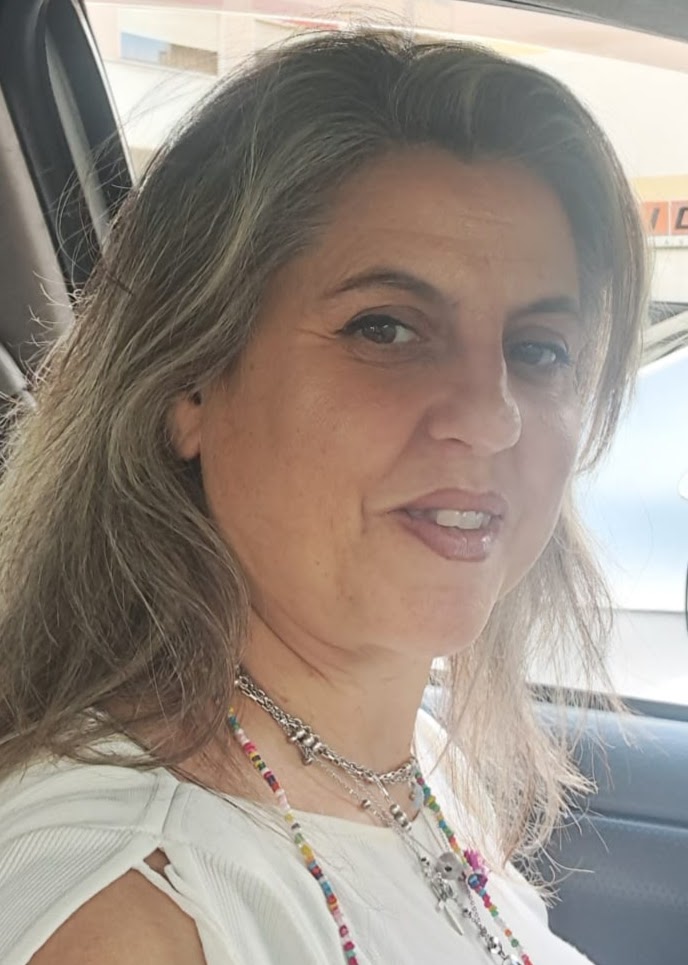
Helping her two daughters navigate Crohn’s Disease, a mother discusses the highs and lows

“It is hard for a mother to always remain calm and to help her daughters to be calm. Somedays are hard. You can feel tired, angry and overwhelmed. I try to help them see that every day is a new day. Maybe today wasn’t a good day but tomorrow will be better.”

Show Q&A Mother

A daughter reflects on growing up alongside her mother’s Crohn’s diagnosis, from early fears to a powerful sense of normality and strength

"When my mom was first diagnosed, I remember it being in every conversation and every family gathering for four to five years. After that, and as I grew older, it was always in our minds but I personally had gotten used to it. I didn’t notice the daily struggles because it had become a part our lifestyle and we had taught ourselves to live together with the disease."

Share this Interview

Growing up, how present was Crohn's disease in your day-to-day family life and how did your understanding of it change as you got older?
When my mom was first diagnosed, I remember it being in every conversation and every family gathering for 4 to 5 years. After that, and as I grew older, it was always in our minds but I personally had gotten used to it.

As a daughter, what did “supporting your mom” look like in real life?
I have to say that it’s everything. It starts from going along with her to the hospital when she has a flare and continues with supporting her in following her dreams and hobbies.

Crohn’s can bring uncertainty, but families often adapt in surprising ways.
I think we always were normal besides the fact that my mom has Crohn’s.

What do you admire most about how your mother has managed her Crohn’s disease?
I think that when she got diagnosed, she became even more crazy. She adopted the perspective that we only have one life and she wanted to live every moment.

From your perspective, what has helped your mom continue to live a full, healthy life despite Crohn’s?
I think she helped herself. She always had a strong character.

Knowing what you know now, how do you think earlier understanding, monitoring, or research could make a difference?
It would have made a great difference if we were paying more attention to ourselves and our loved ones.

What message would you share with other daughters or family members?
It is not the end of the world. You still have your family and your life.
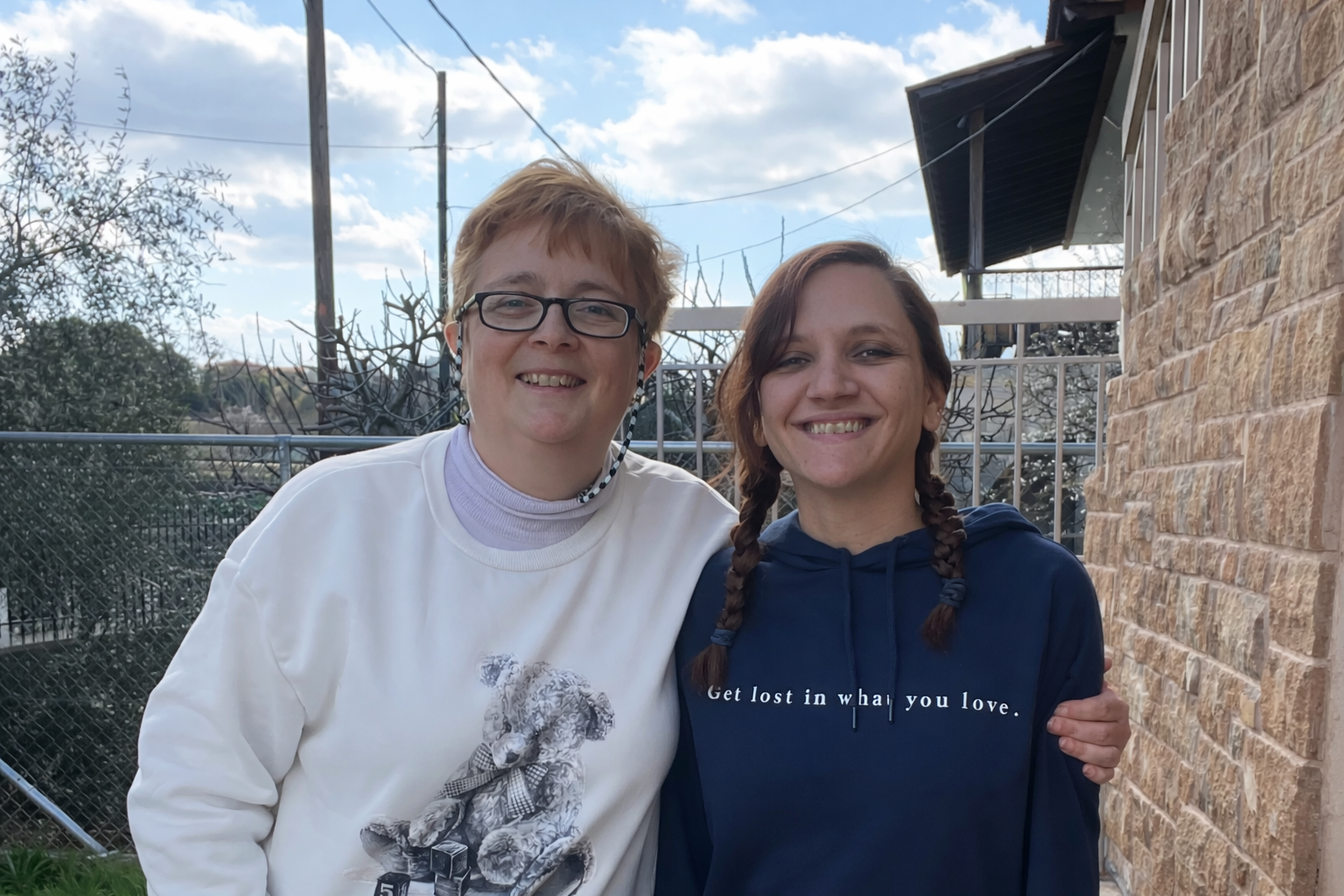
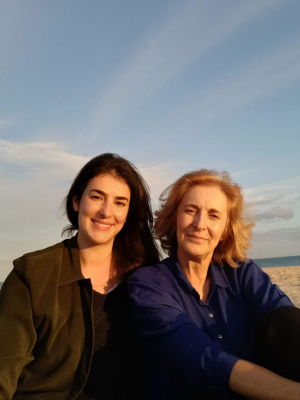
A daughter shares her journey of helping her mother through Crohn’s disease

“I thought it might be useful to get involved in the process. I felt that sharing the best and worst moments of the clinical process would be a good way of relieving her. I also tried to create future projects that she could look forward to, such as planning trips.”

Share this Interview

Who in your family has Crohn's disease and how long have they been living with it?
My mother has Crohn's disease. She was dealing with it on a regular basis until I was 18 years old.

What was your reaction when your mother was diagnosed with Crohn's disease?
I didn’t know much about the disease. I was very relieved that we finally had a diagnosis.

What have been some of the most unexpected emotional or relational challenges?
The biggest challenge was the lack of diagnosis.

What are some ways you’ve been able to offer support?
I thought it might be useful to get involved in the process.

What are some areas where you’ve felt unable to fully support your mother?
The hardest part was keeping my mother motivated.

From your perspective, how could early detection and treatment have influenced your mother's quality of life?
My mother was diagnosed very late, so there was a lack of information.

What is one lesson or message about living with Crohn's disease?
One of the main objectives should be to support Crohn's patients mentally.

Helping her two daughters navigate Crohn’s Disease, a mother discusses the highs and lows

“It is hard for a mother to always remain calm and to help her daughters to be calm. Somedays are hard. You can feel tired, angry and overwhelmed. I try to help them see that every day is a new day. Maybe today wasn’t a good day but tomorrow will be better.”

Share this Interview

Who in your family has Crohn's disease and how long have they been living with it?
I am the mother of two beautiful and strong girls both living with Crohn’s disease.

What was your reaction when your daughters were diagnosed with Crohn's disease?
My first reaction when receiving the diagnosis of Crohn’s disease was total shock.

What have been some of the most unexpected emotional or relational challenges?
My biggest challenge emotionally is figuring out how I can best comfort my girls.

What are some ways you’ve been able to offer support?
The way I try to help my daughters is to give them the support they need.

What are some areas where you’ve felt unable to fully support your daughters?
The fact that I am unable to take away the pain and suffering hurts our entire family.

From your perspective, how could early detection and treatment have influenced your daughters’ quality of life?
It is important to know what Crohn’s is.

What is one lesson or message about living with Crohn's disease?
Crohn’s is not a simple short-term diagnosis.

Anything else you'd like to add?
Please take a moment, stop, listen and pay attention to your loved ones.